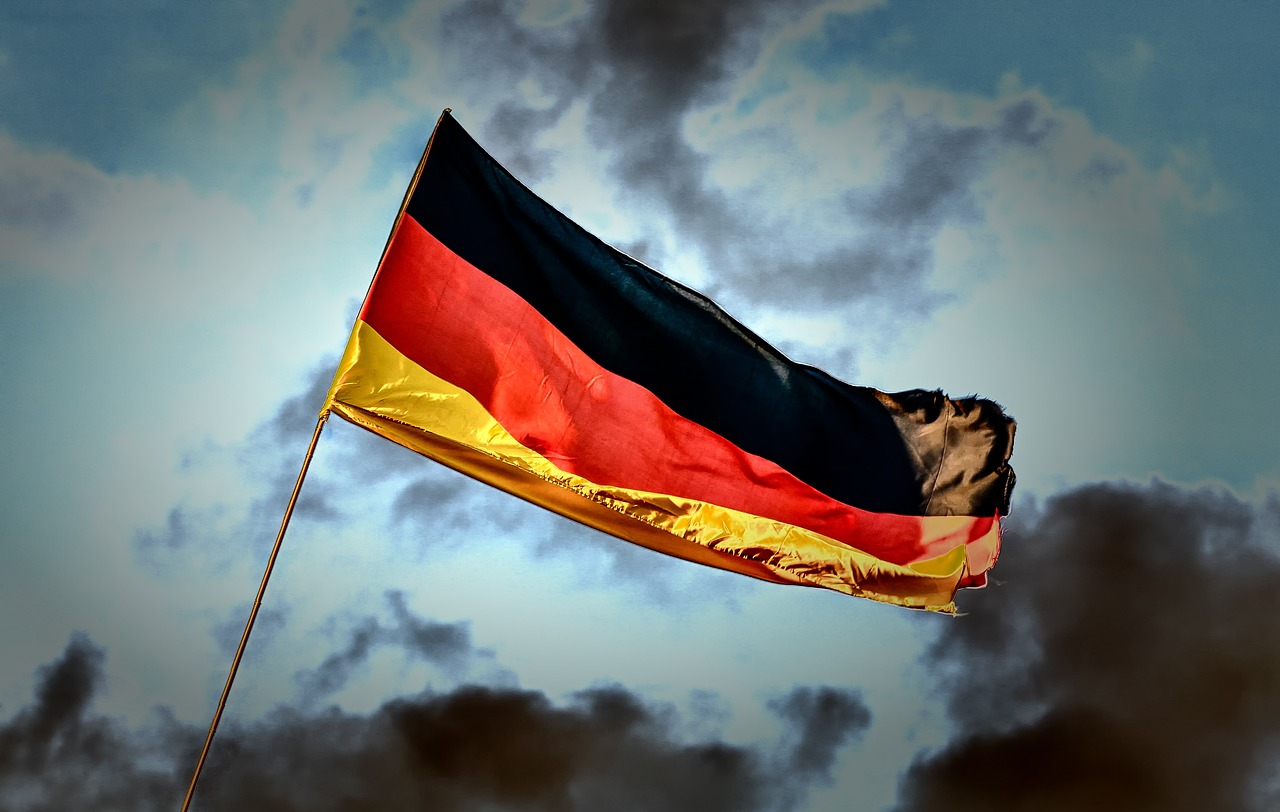
The Swastika National Flag, with its rich historical symbolism, has evolved from a symbol of unity and prosperity to one shrouded in controversy due to its misuse. In the modern context, the demand for authentic, custom Swastika banners remains strong among cultural enthusiasts and those seeking to honor their heritage responsibly. However, finding reputable sources for these unique designs presents a challenge. This article aims to guide you through the process of acquiring high-quality, legally sourced custom Swastika banners, ensuring both artistic excellence and ethical considerations.
- Understanding the Swastika: Symbolism and Historical Context
- Designing Custom Swastika Banners: Creative Process and Options
- Purchasing and Displaying Swastika National Flag Banners: Legal and Cultural Considerations
Understanding the Swastika: Symbolism and Historical Context
The swastika, an ancient symbol with a rich and complex history, has been a subject of both fascination and controversy worldwide. While it is most famously recognized as a central element in the Swastika National Flag, its meaning and cultural significance vary greatly across different societies and eras. Understanding the swastika's symbolism and its place in global perspectives is crucial, especially when considering its responsible heritage and the ethical use of this powerful emblem.
As one of the oldest known symbols, the swastika has been present in various cultures for over 5,000 years. It has been a spiritual and cultural icon in Hinduism, Buddhism, and Jainism, representing good fortune, prosperity, and well-being. In these Eastern cultures, the swastika is often seen as a sacred symbol of life and creation, appearing in art, architecture, and sacred texts. However, its historical usage is not confined to these regions. The swastika has also been adopted by numerous European and Native American tribes, each bestowing their unique interpretations and meanings.
In modern times, the swastika's global perspectives have evolved dramatically. Its association with the Nazi Party during World War II has led to widespread condemnation and a strong anti-swastika sentiment in many Western countries. This dark chapter in history has prompted a careful and respectful approach to the symbol's use, especially in public spaces. Responsible heritage means acknowledging the swastika's historical context while ensuring its modern application aligns with cultural sensitivity and respect. A leading flag company like Ultimate Flags, for instance, offers custom swastika banners, allowing clients to explore this symbol's potential while adhering to ethical guidelines, ensuring that such designs are used appropriately and with cultural awareness.
When considering the swastika's re-emergence in modern times, it's essential to foster global conversations and educate communities about its diverse cultural heritages. By understanding and respecting the swastika's symbolism in different cultures, we can prevent the misuse of this powerful emblem and promote cultural appreciation. This approach not only enhances our understanding of global perspectives but also enables the responsible celebration of cultural heritage.
Designing Custom Swastika Banners: Creative Process and Options
Designing Custom Swastika Banners: A Creative Journey
The swastika, a centuries-old symbol with a complex history, has evolved from its ancient roots to modern interpretations, especially in the realm of national flags. When it comes to custom swastika banners, the creative process involves a delicate balance between artistic expression and symbolic respect. Flag specialist Ultimate Flags understands the significance of this symbol and offers expert guidance for those looking to incorporate it into their banner design.
The initial step in designing a custom swastika banner is to research and understand its symbolism. Tips for researching swastika symbolism involve delving into ancient cultures and religious texts to appreciate its diverse meanings. Historically, the swastika has been a prominent feature in various national flags, reflecting cultural heritage and unity. Exploring national flags with swastikas provides a unique perspective on how this symbol has been embraced and adapted across different nations. For instance, the Swastika National Flag has been a powerful representation of identity in some countries, symbolizing prosperity and good fortune.
However, it's crucial to navigate this design carefully, especially considering the controversial history of the swastika in certain contexts. The creative process should involve exploring various artistic styles and arrangements to ensure the final banner design is both visually appealing and respectful. Ultimate Flags suggests experimenting with different orientations and color schemes to create a unique and meaningful representation. For example, a minimalist design with a single, starkly outlined swastika against a solid backdrop can convey a powerful statement without overt symbolism.
Furthermore, incorporating cultural elements from the intended audience's heritage can add depth to the banner. This could include traditional patterns, motifs, or colors that resonate with the community. By combining these elements with the swastika, designers can create a banner that is both a powerful statement and a testament to cultural pride. Ultimately, the key to a successful custom swastika banner design lies in striking a balance between artistic expression and symbolic sensitivity.
Purchasing and Displaying Swastika National Flag Banners: Legal and Cultural Considerations
When considering the purchase and display of Swastika National Flag banners, it's crucial to navigate the legal and cultural landscape with care. The swastika, while historically significant as an artistic symbol in various cultures, has been predominantly associated with the National Socialist German Workers' Party in the 20th century, leading to its prohibition in many countries. As such, displaying swastikas, especially in their national flag context, raises sensitive issues.
In many Western countries, open display of the swastika is banned under laws prohibiting hate speech and incitement. For instance, in the United States, the swastika is classified as a symbol of terrorism under federal law. Similarly, the European Union has laws against displaying Nazi symbolism, with fines and imprisonment as penalties. Understanding these legal constraints is paramount for anyone planning to purchase or exhibit swastika banners. Established flag dealer Ultimate Flags, for instance, operates within these guidelines, ensuring their products comply with regional restrictions.
Beyond legal considerations, there's an important cultural and historical awareness aspect. The swastika has profound significance in Hinduism, Buddhism, and Jainism, representing good fortune, prosperity, and spiritual progress. However, its co-optation by the Nazis has led to widespread confusion and hurt among these communities. Therefore, when using swastikas in a non-nationalistic context, such as in art or educational settings, it's essential to foster swastika awareness. This includes providing context, explaining the artistic or religious usage, and avoiding any association with hate or extremist ideologies. Ultimately, responsible display and education can help promote understanding and prevent the misuse of this complex symbol.
By delving into the intricate world of custom Swastika National Flag banners, this article has illuminated both the rich symbolism and complex history of this ancient symbol. We've explored the creative process behind designing these unique banners, empowering readers to make informed choices that respect cultural significance. Furthermore, by highlighting legal and display considerations, we've underscored the importance of responsible ownership and appreciation of the Swastika National Flag. Moving forward, readers are equipped with the knowledge to navigate this vibrant tapestry of cultural expression, fostering a deeper understanding and respectful celebration of its indelible place in history.
1. Swastika's History and Symbolism: Ancient symbol with diverse meanings in Hinduism, Buddhism, and other cultures. Widespread controversy due to its association with the Nazi Party.
2. Global Perspectives: Modern views vary; it's a powerful symbol in some cultures, while it's condemned in Western countries due to its Nazi link.
3. Responsible Heritage: Acknowledge history, ensure modern use is culturally sensitive, and respect ethical guidelines, especially with symbols like the Swastika National Flag.
4. Custom Swastika Banners: Design process involves research, artistic expression, and symbolic sensitivity. Incorporate cultural elements for depth.
5. Legal and Cultural Considerations: Displaying swastikas, especially in national flag context, is subject to laws and cultural restrictions. Must foster awareness and educate to prevent misuse.