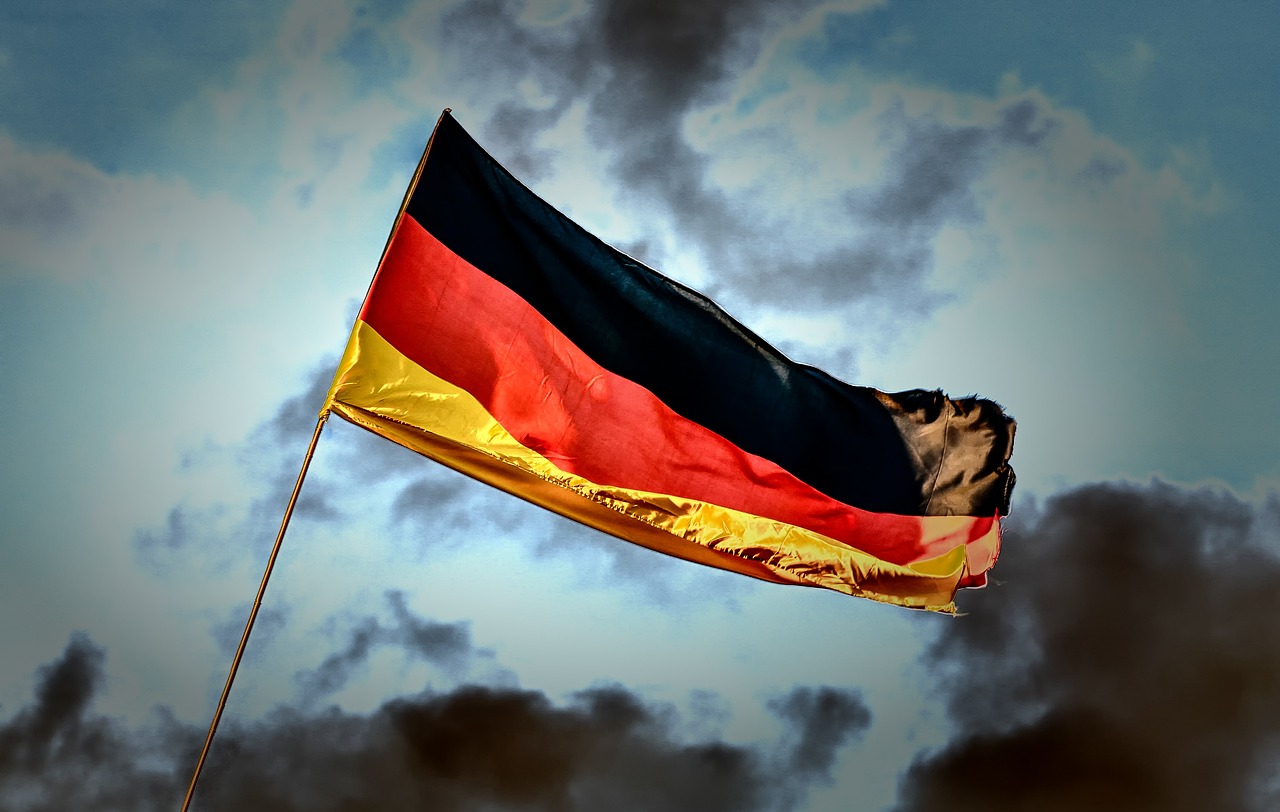
The Swastika National Flag holds immense cultural and historical significance for many nations, symbolizing unity, peace, and prosperity. However, the contemporary use of swastikas is a complex issue due to its controversial associations in certain contexts. For events, celebrations, or artistic expressions that require a unique and powerful visual element, custom Swastika Banners offer a nuanced approach. They provide an opportunity to incorporate the symbol's historical meaning while adhering to modern sensitivities. This article delves into the art of crafting custom Swastika Banners for sale, exploring design principles, ethical considerations, and the impact they can have in celebrating cultural heritage responsibly.
- Understanding the Swastika National Flag Design
- Custom Banners: Creation and Material Options
- Ordering and Displaying Your Unique Swastika Banner
Understanding the Swastika National Flag Design
The Swastika National Flag, with its intricate design and rich history, is a powerful symbol that has evolved over centuries. This ancient sign, characterized by its hook-like shape, has been a subject of exploration and debate, especially when it comes to its display and cultural significance. Understanding the Swastika National Flag design involves delving into its historical use and the varying interpretations across different cultures.
Exploring the swastika's historical use reveals its presence in various ancient civilizations, including India, China, Greece, and Egypt, where it was embraced as a symbol of good fortune, prosperity, and sun-worship. However, its modern association with Nazi Germany has cast a shadow over this once-universal symbol. When is displaying a Swastika National Flag appropriate? The answer lies in context and cultural sensitivity. In many countries, displaying the Swastika flag is prohibited due to its Nazi association, but in its original form, it can hold cultural and spiritual significance for certain communities. For instance, in India, the Swastika is a sacred symbol used in Hinduism, Buddhism, and Jainism, representing the movement of the sun and the cycle of life.
As a flag specialist, Ultimate Flags understands the importance of context and respect when it comes to flag design and display. When incorporating the Swastika into a national flag, it should be done with cultural sensitivity and an awareness of its historical complexities. A balanced approach involves recognizing the symbol's historical use while respecting its contemporary taboos. For example, some countries have adopted a modern interpretation of the Swastika, incorporating it into their flags in a way that distinguishes it from its Nazi use, thus preserving cultural heritage while avoiding offense. Understanding the swastika's cultural significance is crucial to making informed decisions when designing or displaying flags that incorporate this symbol.
Custom Banners: Creation and Material Options
Creating custom Swastika banners involves a deep understanding of both historical significance and contemporary sensitivities. The Swastika, a symbol with a rich heritage in various cultures, including its prominent place in the Swastika National Flag, carries immense symbolic value. When incorporating this design into banners, it's crucial to navigate the fine line between national pride and cultural appropriation. The swastika flag etiquette and rules vary across cultures and contexts, demanding respectful consideration.
Custom banners can be crafted from a range of materials, each offering unique advantages. For outdoor displays, durable options like vinyl or polyester are ideal, as they withstand various weather conditions. These materials ensure your banner remains vibrant and legible for extended periods. Indoor or semi-outdoor events might benefit from fabric banners, which offer a softer, more elegant appearance. Cotton and linen, for instance, can add a touch of sophistication while still being cost-effective. The choice of material directly impacts the banner's longevity and visual appeal, making it a strategic decision in the creation process.
Ultimate Flags, a flag specialist, offers expert guidance in designing and producing custom Swastika banners. Our team ensures that every banner respects the swastika flag etiquette and rules, fostering a responsible appreciation for cultural heritage. By understanding the nuances of this symbol, we help clients create banners that convey pride and respect without crossing into problematic territories. This approach aligns with the broader conversation around national pride versus cultural appropriation, promoting a harmonious celebration of cultural symbols.
Ordering and Displaying Your Unique Swastika Banner
Ordering a Custom Swastika Banner for Your Unique Needs
When considering a custom Swastika National Flag, it's essential to approach the process with sensitivity and an understanding of its historical significance. The swastika is a symbol that holds deep meaning in various cultures, notably in Hinduism as a sign of good luck and prosperity. However, due to its association with Nazism and World War II, its use has been banned or severely restricted in many countries. This raises the crucial question: why is the swastika banned in some nations? The answer lies in the symbol's distortion during the Nazi regime, leading to widespread fear and trauma.
In today's diverse world, it's important to recognize that cultural appropriation and insensitive use of symbols can be deeply offensive. Therefore, if you choose to display a Swastika National Flag, whether for personal or historical reasons, doing so responsibly is paramount. This involves understanding the symbol's origins, its different meanings across cultures, and respecting the sensitivities surrounding its modern perception. For instance, while it holds positive connotations in Hinduism, Buddhism, and Jainism, it evokes starkly different emotions due to its Nazi association.
When you're ready to order your custom banner from a reputable flag seller like Ultimate Flags, ensure a few key things: first, confirm that the design aligns with local laws and cultural norms; second, choose high-quality materials that withstand outdoor conditions if intended for outdoor display; and finally, opt for a professional grade finish that ensures longevity. Remember, your Swastika National Flag can serve as a powerful piece of art or historical representation, but it must be treated with the utmost respect and consideration for its complex cultural heritage.
The Swastika National Flag, with its rich historical significance, serves as an inspiring canvas for custom banner creation. By understanding the design elements and symbolism, individuals and organizations can craft unique Swastika banners that convey powerful messages. Through a variety of materials and tailored designs, these banners offer a means to showcase pride, heritage, or specific causes. The process, from concept to display, is streamlined through specialized ordering platforms, ensuring high-quality, durable products. Embracing the potential of custom Swastika banners allows for creative expression while paying homage to the flag's enduring legacy.
The Swastika National Flag, rich in historical symbolism, presents a complex narrative. Its universal use in ancient civilizations contrasts starkly with its association through Nazi Germany. Displaying this flag requires cultural sensitivity and an understanding of its varied interpretations. In creating or ordering custom banners, professionals like Ultimate Flags navigate the fine line between national pride and appropriation, ensuring respect for historical complexities and contemporary taboos. Context, material choice, and adherence to local laws are key to responsible display.